As a veteran wedding photographer, sure — I have seen it work really well. I have also seen it go off the rails. I have seen some shit. So let's talk about the top five things every couple should be thinking about when they sit down to build a wedding day timeline.
I shoot a lot of weddings in Austin and across the Hill Country, and after about twenty years of this, I can tell you the timeline is the single most underestimated piece of the entire planning process. It's not the dress, the florals, or the menu that wrecks the day. It's the schedule. Specifically, five pieces of it. We're going to count down from five to one.
#5. Your ceremony start time.
This one feels obvious — and then it isn't. Your start time depends on a few things at once: what time of year you're getting married, what type of wedding you're having, and how traditional you want the ceremony itself to be. If you're Catholic and want a Saturday wedding, you're probably starting at 1:00 in the afternoon — no questions asked. That's a totally different timeline than a 5:30 outdoor ceremony in October.
Here's how a start time can throw everything off the rails: if your ceremony is too early and you haven't communicated that there's going to be a substantial window between ceremony and reception, you create dead time. Dead time stresses vendors, but mostly it stresses guests. They don't know where to go. They wander. They drink too much before dinner. They leave.
Pick the start time first. Then communicate it — and the shape of the day after it — to every single guest.
#4. How your guests are actually getting there.
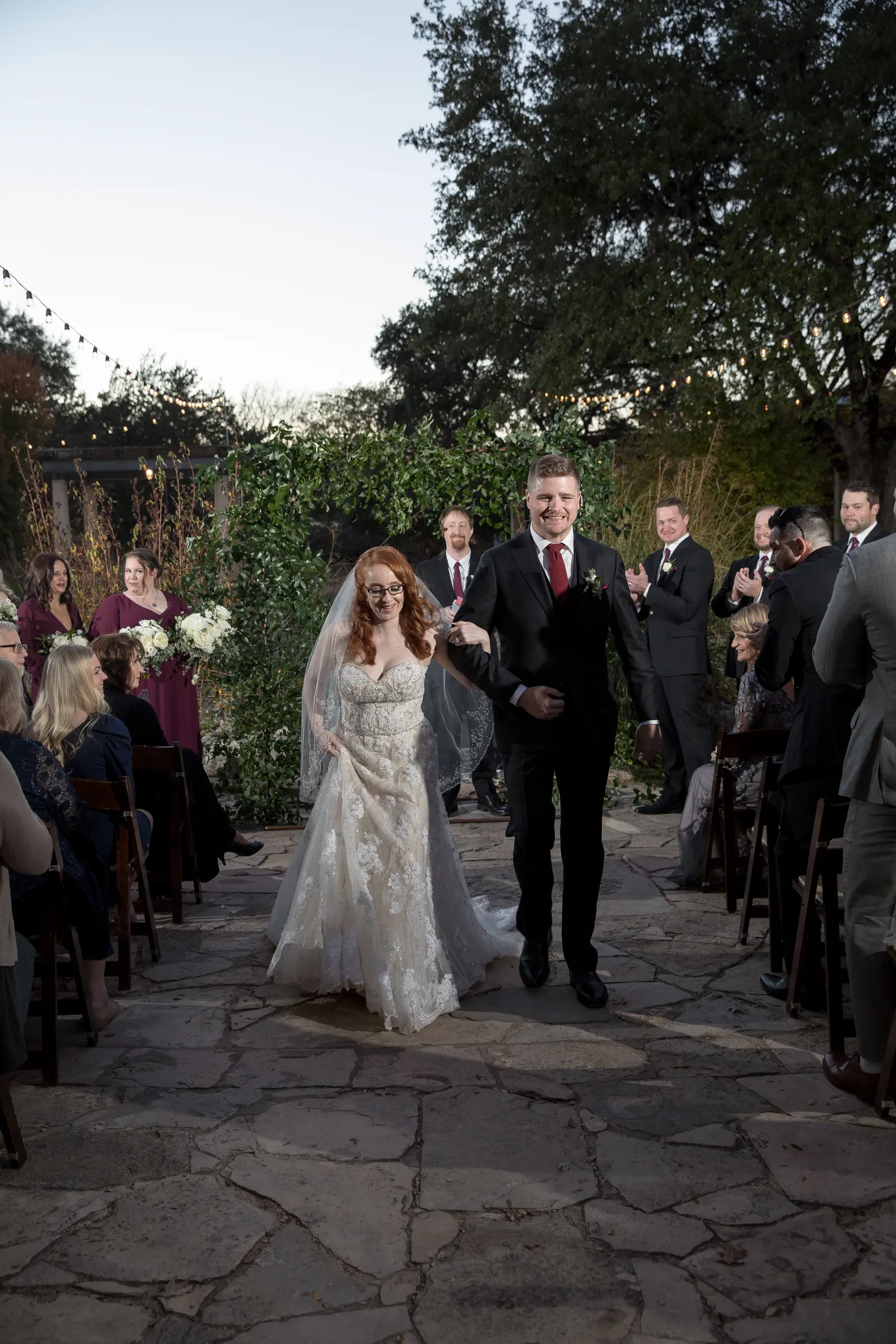
A 5:00 PM ceremony on a Friday in Austin sounds romantic. It's also rush hour. Your guests are going to be stuck on Mopac watching your timeline collapse in real time. The same thing happens at the back end of the night: an 11:00 PM exit on a Saturday means everyone has to figure out how to get home from Dripping Springs or out past the lake.
Think about this on both ends of the day. Are you offering a shuttle? Is rideshare reliable from your venue? Do guests need hotel blocks nearby? If you're getting married somewhere with a real driveway — most of our Hill Country venues qualify — assume people will need help.
#3. First look, or walk down the aisle.
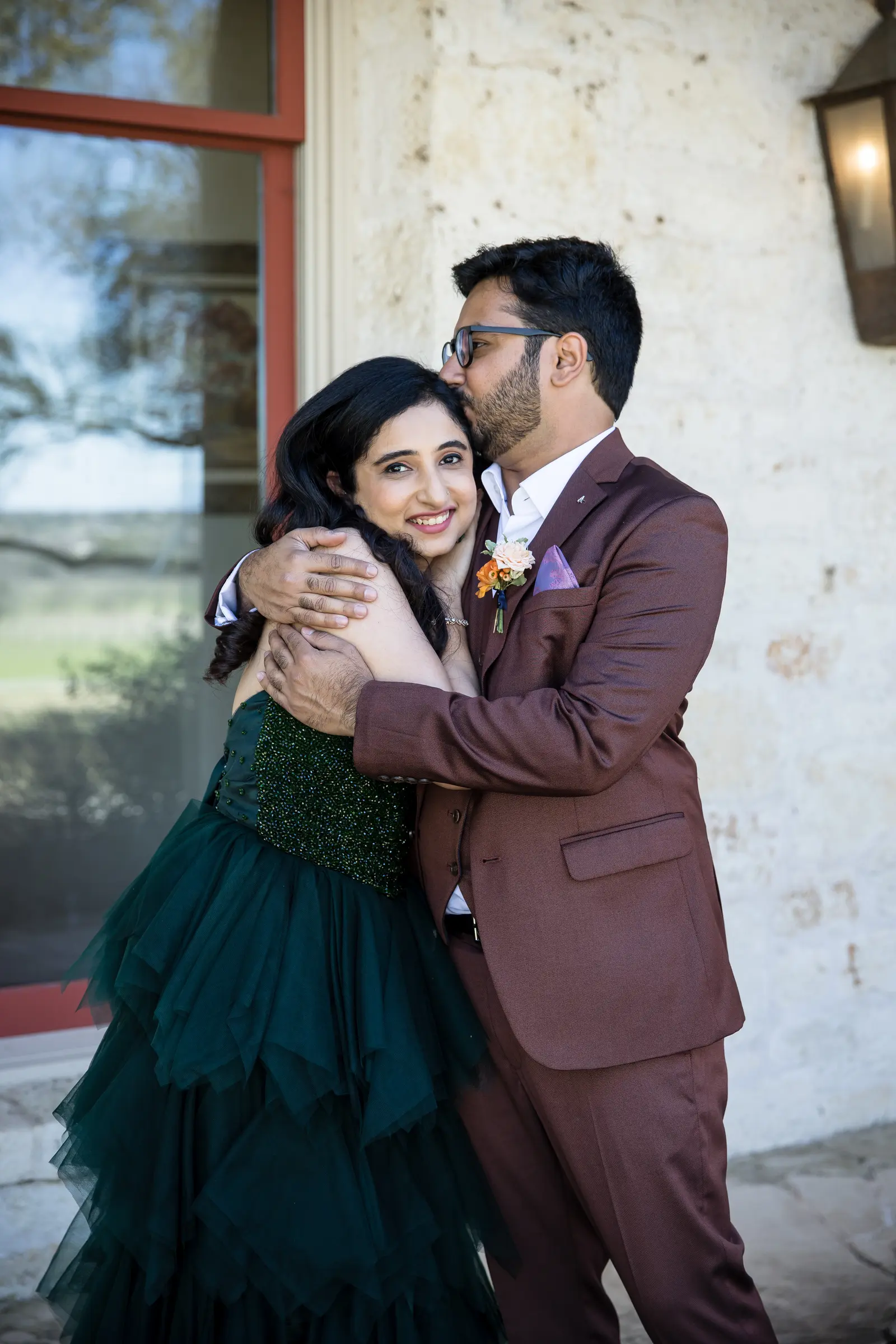
This is a hot topic in the industry, and people get weirdly heated about it. So let me give you the photographer's honest read: a first look doesn't add any time to your day. Zero minutes. What it does is restructure the whole day.
Traditionally, your wedding day photo timeline looks like this: photographers arrive, do scene-setting and detail shots, get-ready coverage for one partner, get-ready coverage for the other, partner-with-family separately, then the ceremony, then unified portraits during cocktail hour, then the reception. With a first look, all of the unified portrait work — couple, full bridal party, the family group shots — moves to before the ceremony.
The three best arguments I have for doing a first look:
- It takes the in-the-moment stress out of the ceremony. You've already seen each other. You've already cried about it once. The walk down the aisle becomes pure joy, not pure panic.
- You actually get to enjoy your cocktail hour. Most couples eagerly wait all day to see their people — and then spend cocktail hour stuck doing family formals in a corner. With a first look, you're done. You go mingle.
- It frees up real time for couple portraits later. A few minutes during sunset. A pop outside during the reception. The first look gives us flexibility we don't otherwise have.
A first look gives a couple a few minutes to themselves as a married couple — and frankly, after a year of planning, you deserve that.
That said: some people genuinely want the walk down the aisle to be the first moment, and that's an entirely valid choice. Just know that the rest of the day's photo timeline shifts when you choose that path. Either is fine. Decide on purpose.
#2. Dinner time. Two things here, actually.
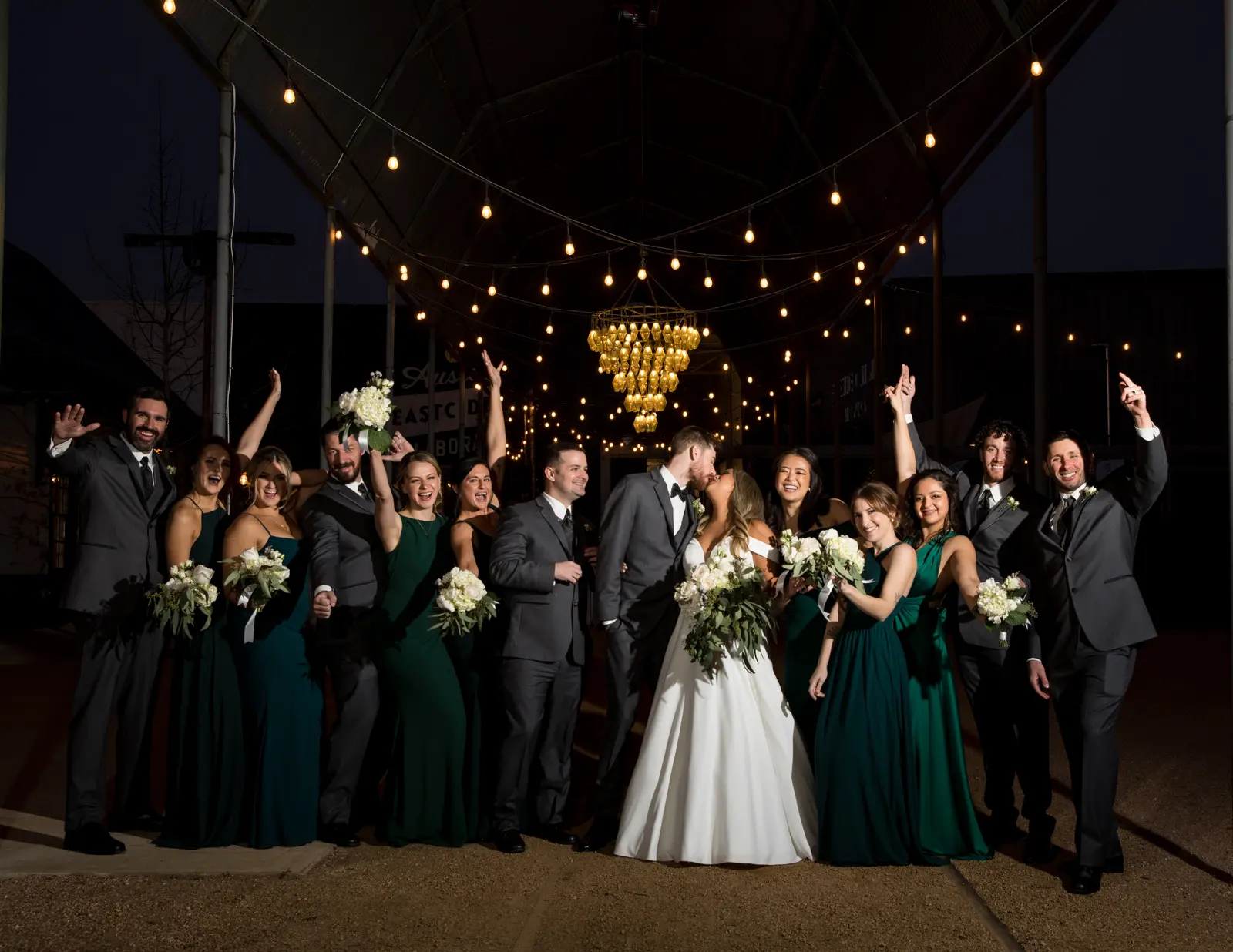
How long dinner lasts, and what time dinner actually starts. Those are two separate problems.
If your ceremony is at 4:30 PM but dinner isn't until 7:00, you're going to have grumpy, low-blood-sugar guests. Two and a half hours with nothing but a cocktail-hour cheese board is too long. They'll get loud and weepy in equal measure, and not in the good way.
If you instead push the ceremony to 5:30, hold a real cocktail hour with actual snacks, and serve dinner at 7:00 — that's a totally reasonable shape. The math is the same; the experience is completely different. Move the ceremony, not the dinner.
The other piece is how long dinner takes to actually serve. Plated dinners with three courses and 150 guests take longer than buffets. Family-style is somewhere in between. Ask your caterer — and your venue, if it's an all-inclusive like Stonehouse Villa — for a real number. Then build the rest of the night around it.
#1. What time the sun actually sets.
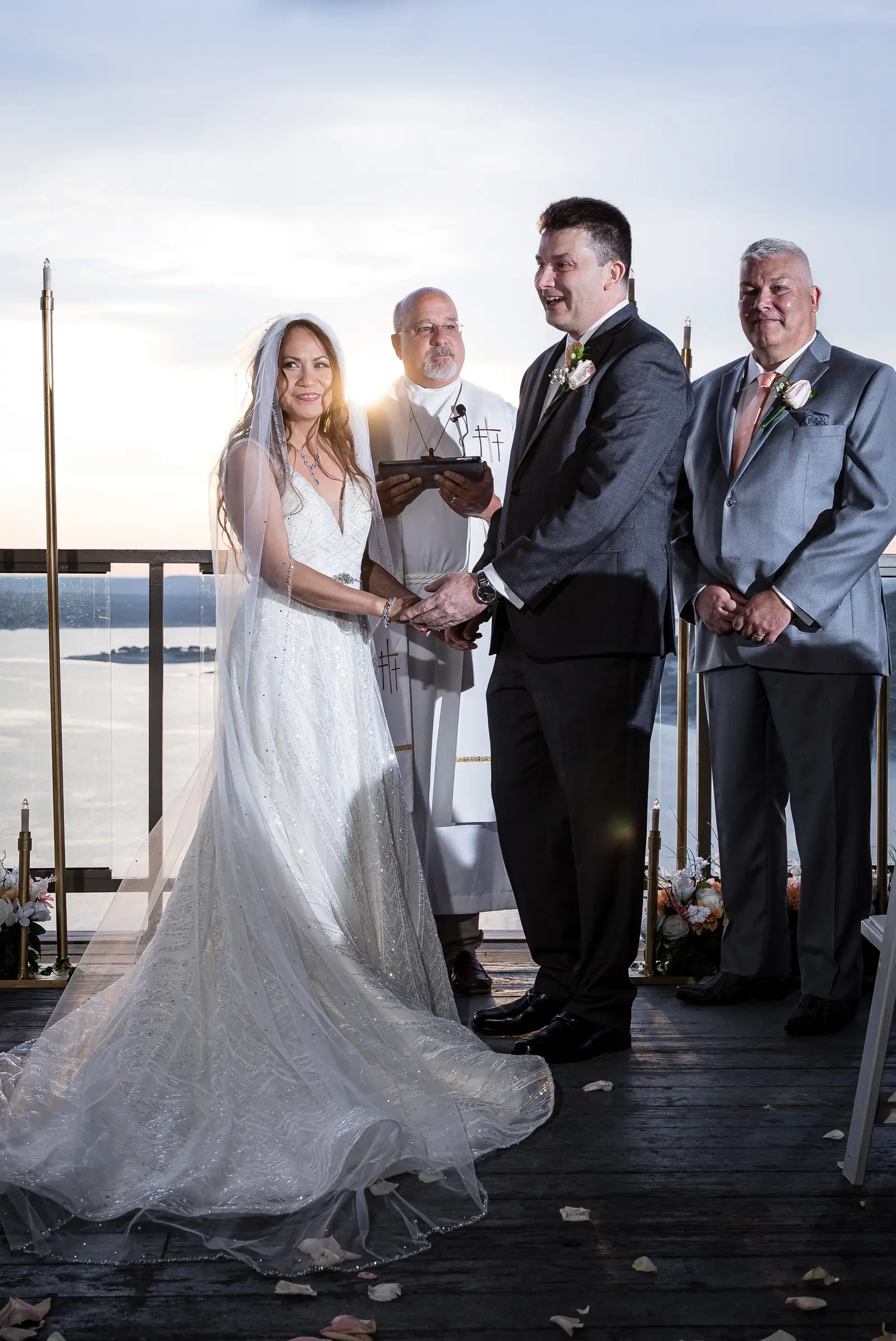
A sunset ceremony at The Oasis at Lake Travis — beautiful for the couple, brutal for the guests if you don't get the timing exactly right.
This is the one nobody plans for, and it's the one I see go sideways more than any other. Couples will tell me they really want a sunset ceremony — and yes, that can be magic. Especially at places like The Oasis at Lake Travis and Vintage Villas, where everything faces west and the lake glows behind you. On camera, it looks unreal.
But here's the catch: you are not facing the sun. Your guests are.
As you look warmly out at your guests, they are looking at you with the biggest squint, the reddest face, and they're probably sweating — because this is Texas.
The fix isn't to skip the sunset ceremony. The fix is to schedule for just before the sun goes down — when it's still high enough in the sky that nobody is staring directly into it, but it's already warm and low and golden. That window is usually 30–60 minutes before official sunset. Your photos still get the light. Your guests still have eyeballs.
How do I know when that window is? Historically I went by the Farmers' Almanac. These days the sunset-tracking apps — Sun Surveyor, PhotoPills, even the iPhone's built-in Weather app — have gotten way more accurate. Pull one up on your phone for your exact venue and your exact date, and plan the ceremony 30 minutes before whatever it says. Done.
The short version.
If you only remember five things from this post, remember these:
- Set ceremony start time first — and communicate it everywhere.
- Plan how guests arrive and leave — both ends of the day matter.
- Decide on first look vs. walk down the aisle — both are valid; just know the day reshapes around the choice.
- Don't let cocktail hour become two and a half hours — move the ceremony, not the dinner.
- Check sunset time at your exact venue — schedule the ceremony 30 minutes before it.
If you want a printable version of this you can hand to your planner, your venue, and your in-laws — that's coming. In the meantime, the Pricing & Planning Guide covers the full timeline framework along with everything else we cover in a typical wedding package.